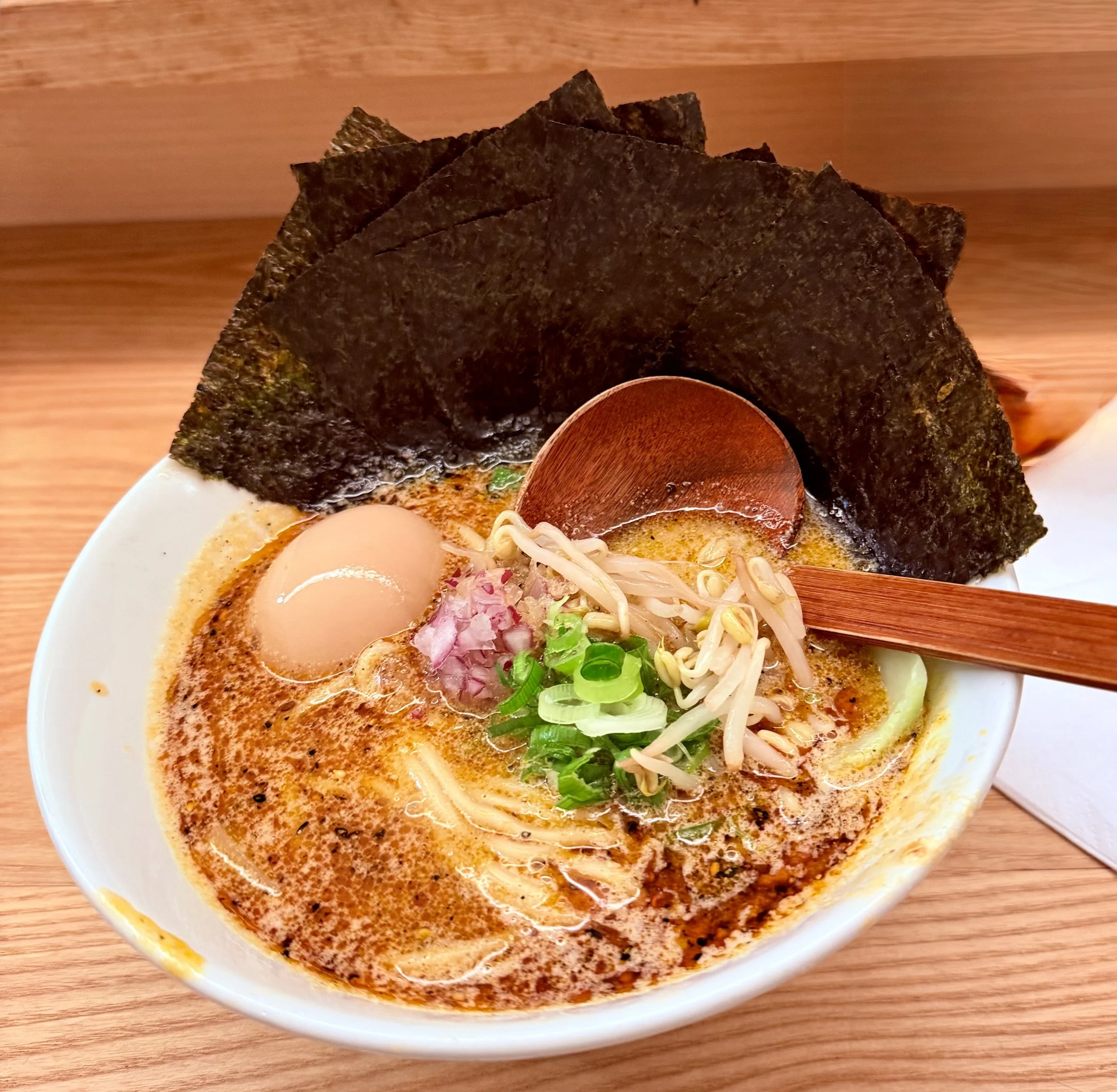
Ramen noodles at Kitanoya Den Haag
A cold but sunny autumn day comes to its end. The blue hour settles in, and darkness creeps over the city. The houses and shops of the inner city light up one by one. People hurry through the streets, picking up groceries, doing some shopping, and meeting for dinner after a day of work. Endless options and offers tempt you to fill your belly. Some places you pick because they are close by or because you have heard great stories. Others you find by accident, and they turn into an unexpected experience, a story of your own.
In an alley not far from het Plein, the main square of The Hague, hides a place that is all of these at once: delicious, warming dishes and a splendid atmosphere that carries you straight to Japan. Welcome to Ramen Kitanoya.
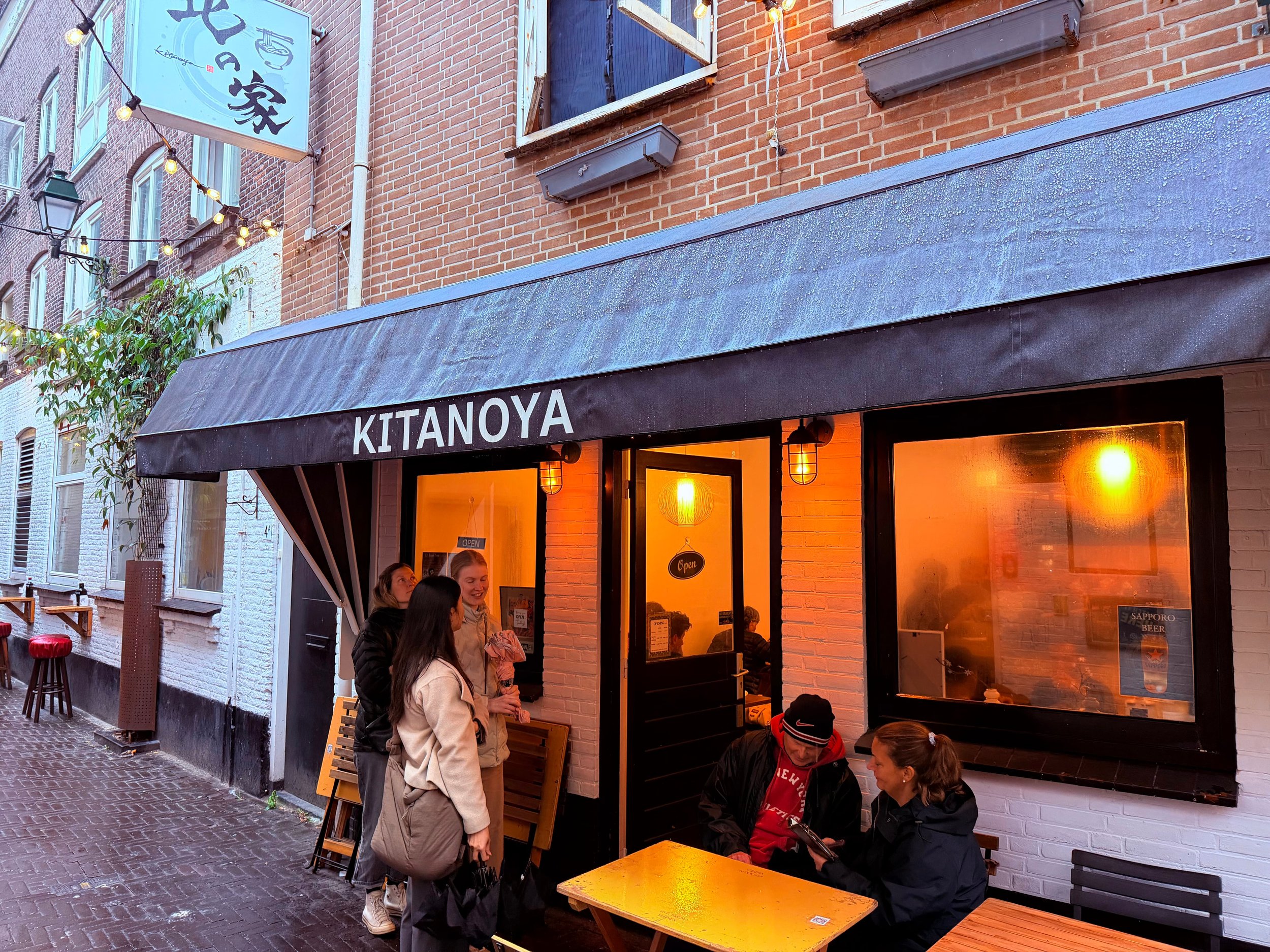
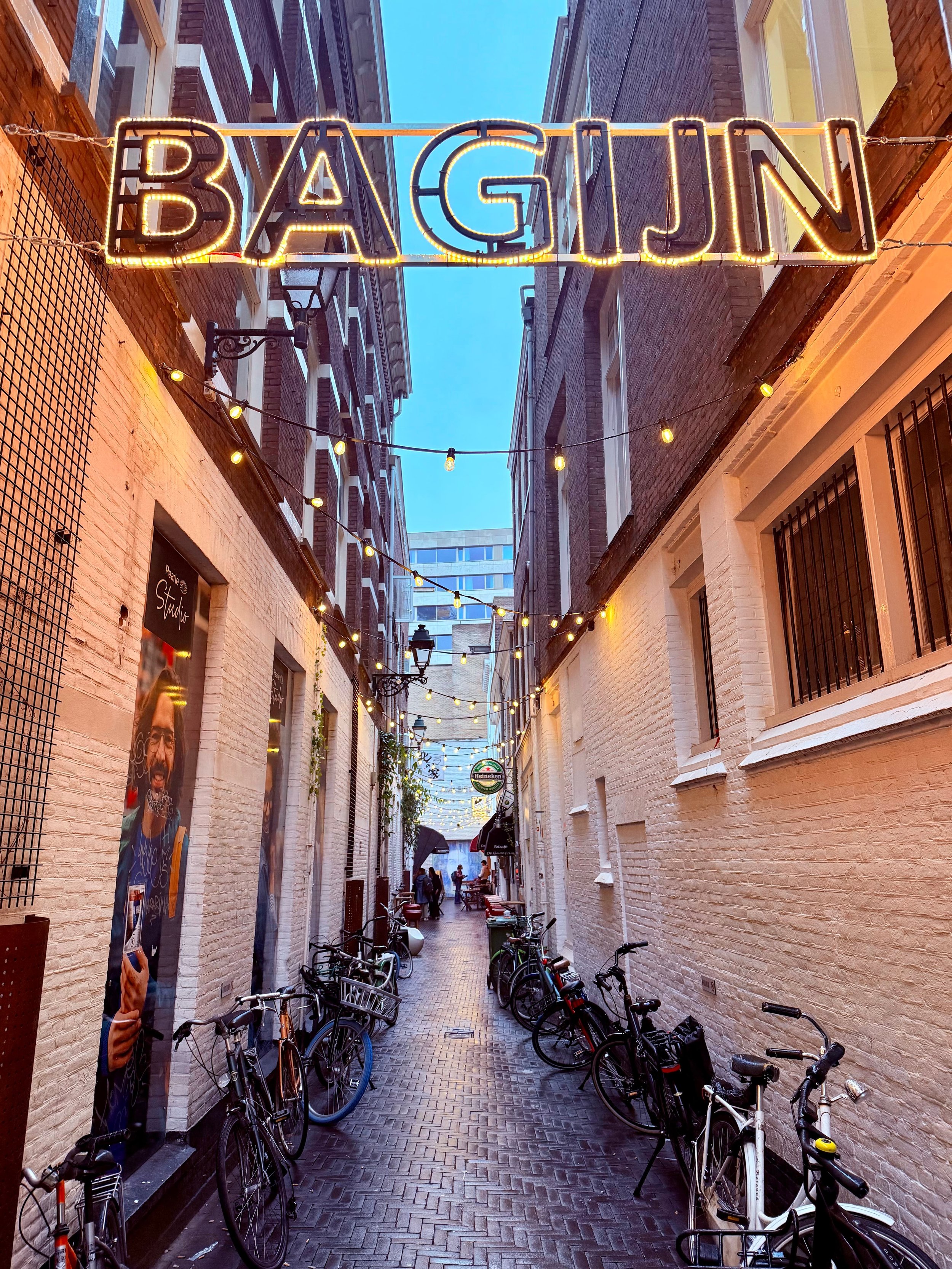
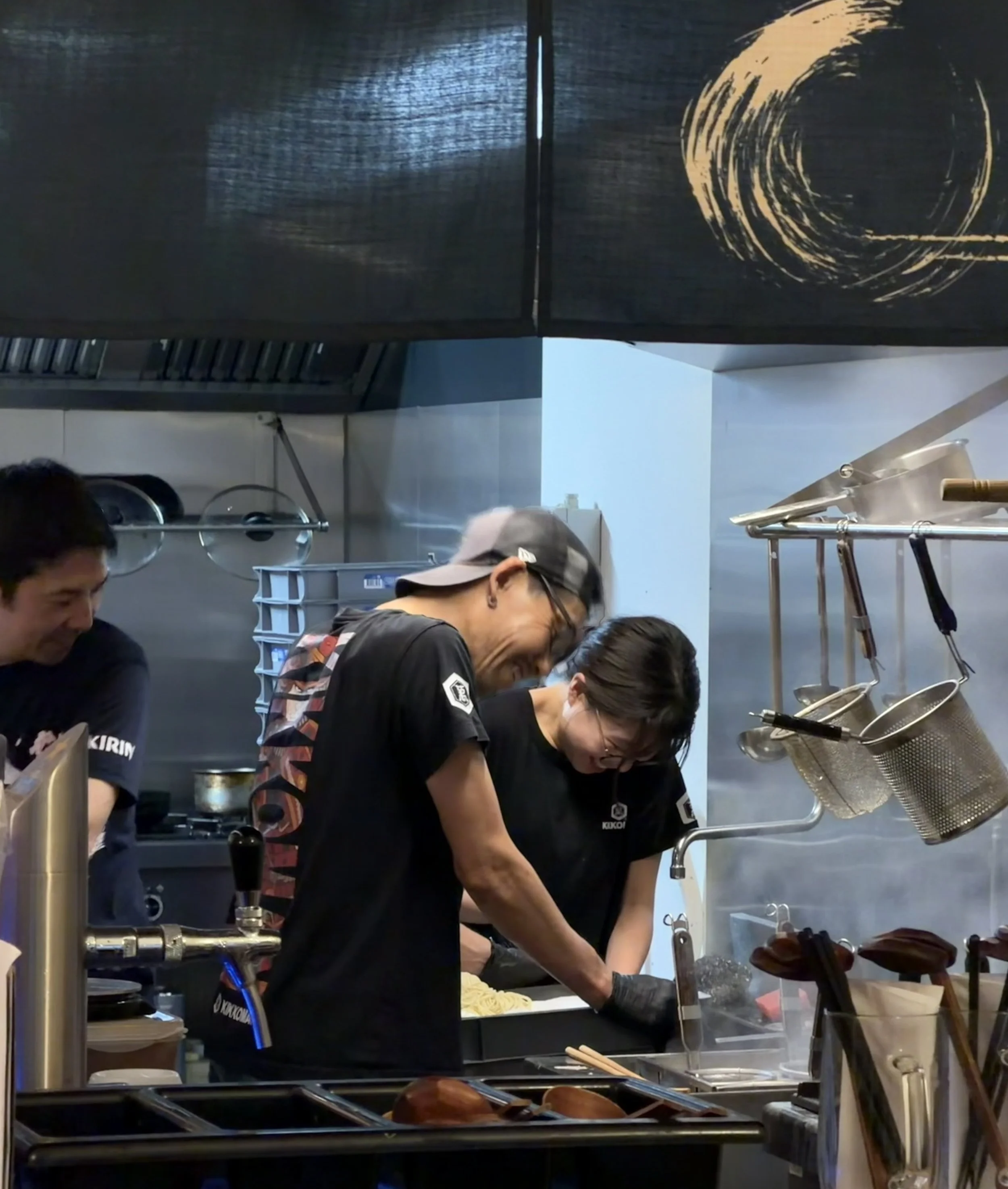
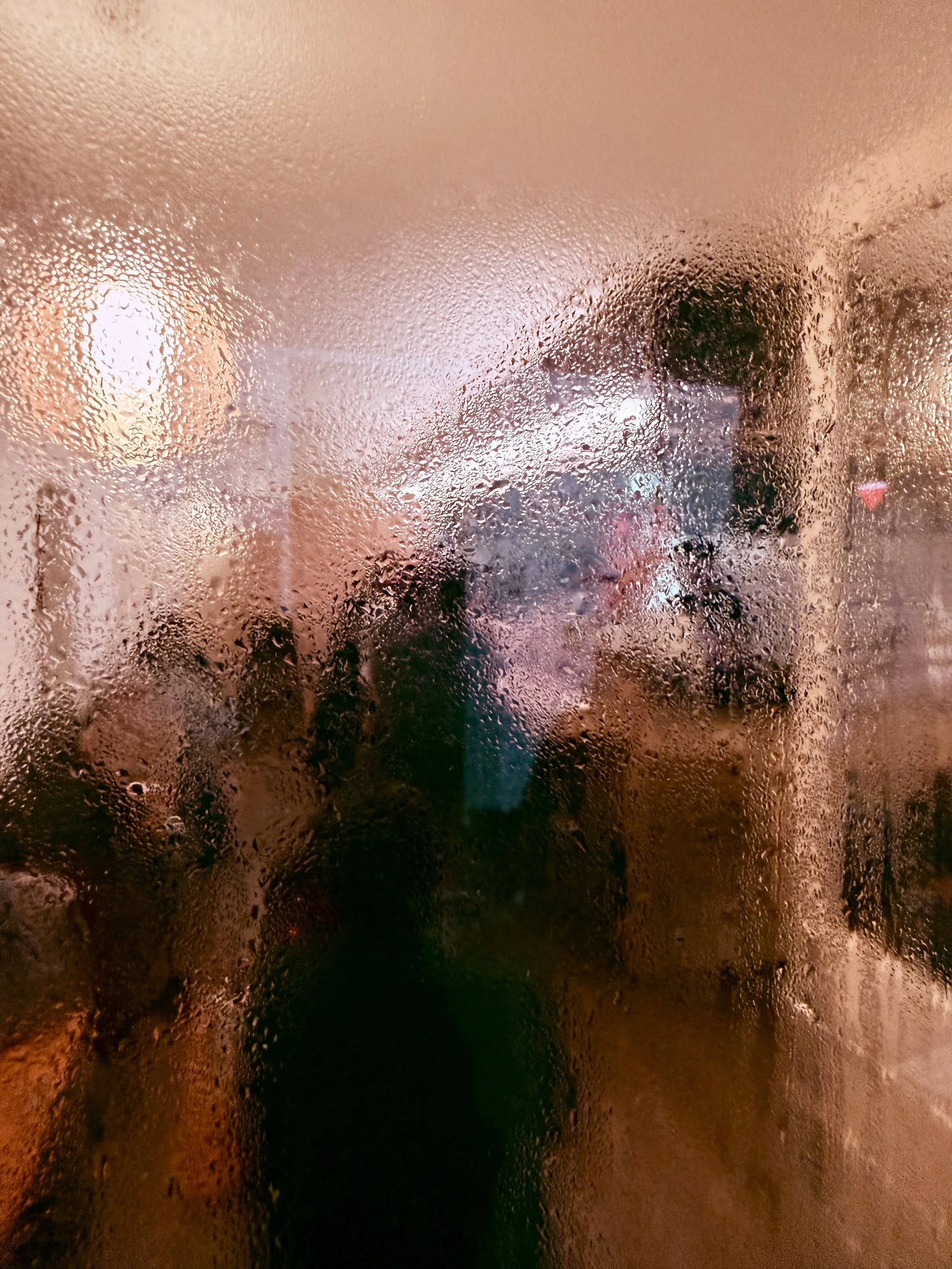
I walk in on a weekday evening, and a few seats at the bar are still available, if you can squeeze yourself in. The first thing that hits you is the steam, the particular wet heat of boiling broth, with the windows fogged up. The second is the pace. There is a focus to the movement behind the counter, hands reaching for bowls, knives, and ingredients, slicing without looking up, completely focused in the art of cooking. Everything has its place, and still it is a well-orchestrated chaos of different hands and chefs buzzing to finish their dishes. It is the working rhythm of a kitchen that knows exactly what it is doing, without panic or haste, just perfection and a joy in the craft.
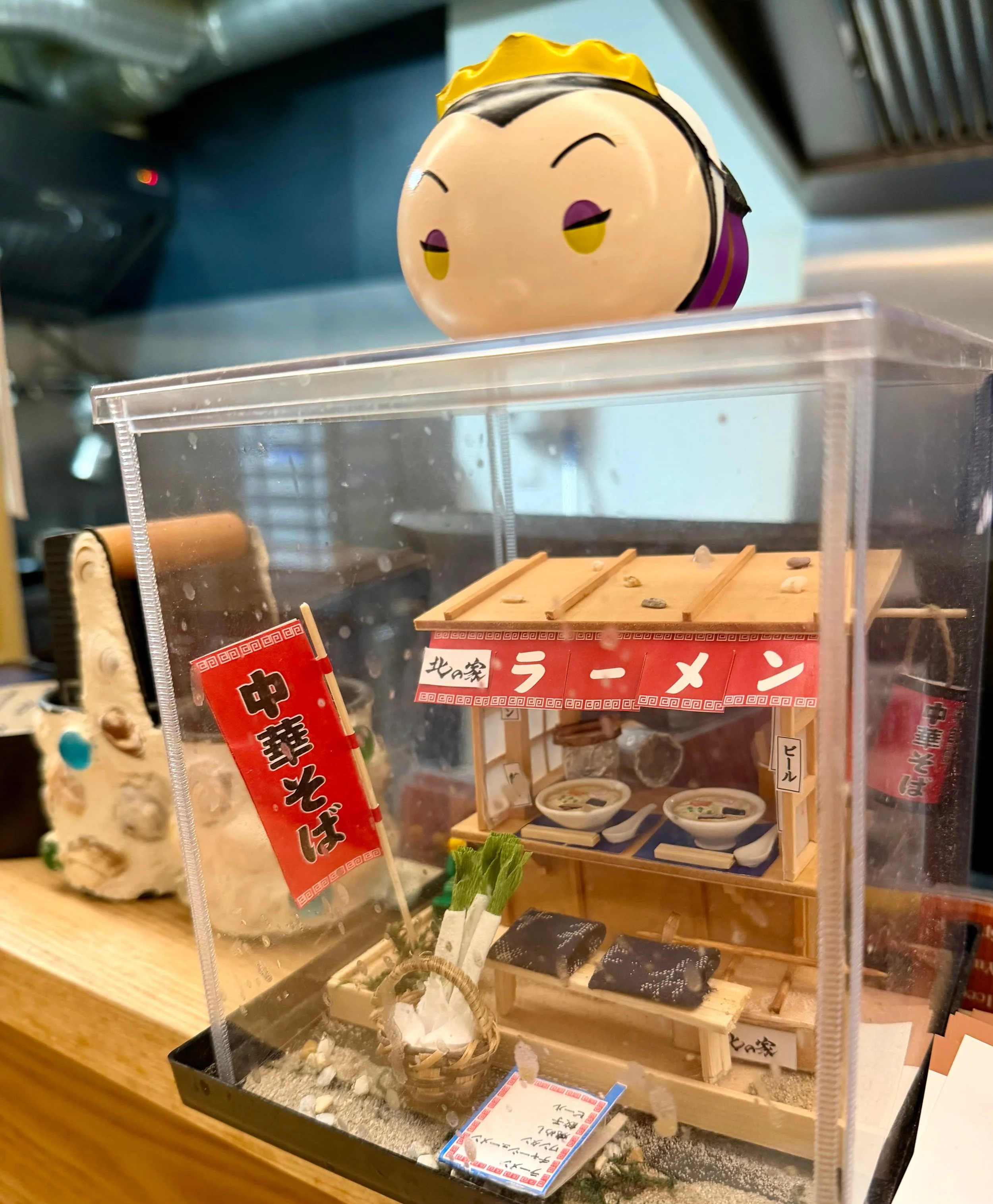
The place fills up quickly as people stream in after work. I sit at the counter and study the menu card, sipping a Sapporo beer and waiting for my companion to arrive. No reservations are possible. At the door, a queue is building, huddled under the awning as light rain begins to fall. People take sneak peeks inside to see whether a table or a spot at the bar is about to open up, full of anticipation for the feast that awaits them. When a table gets up, you can see the impatient crowd outside light up, eager to be seated and to immerse themselves in the experience and specialties.
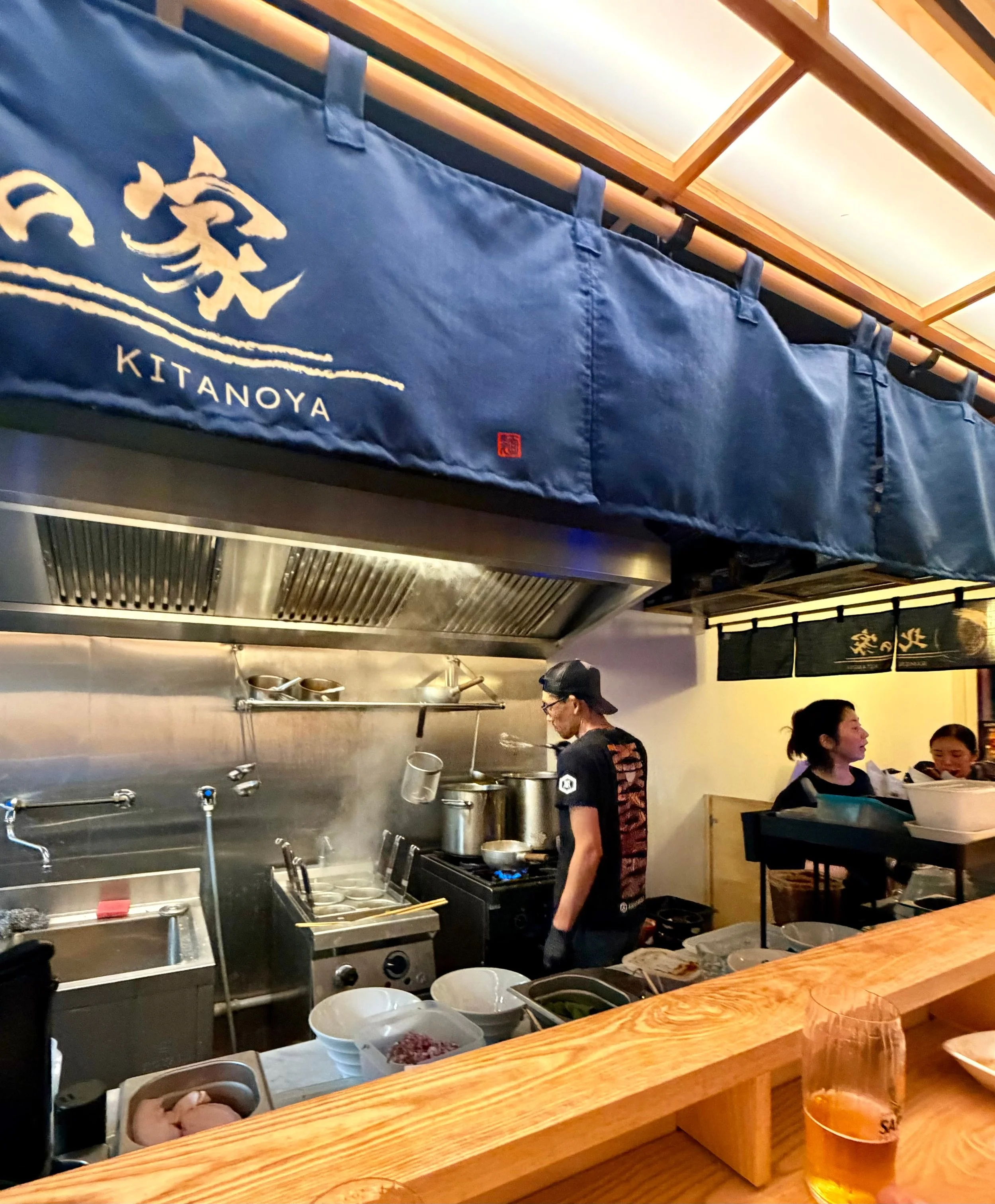
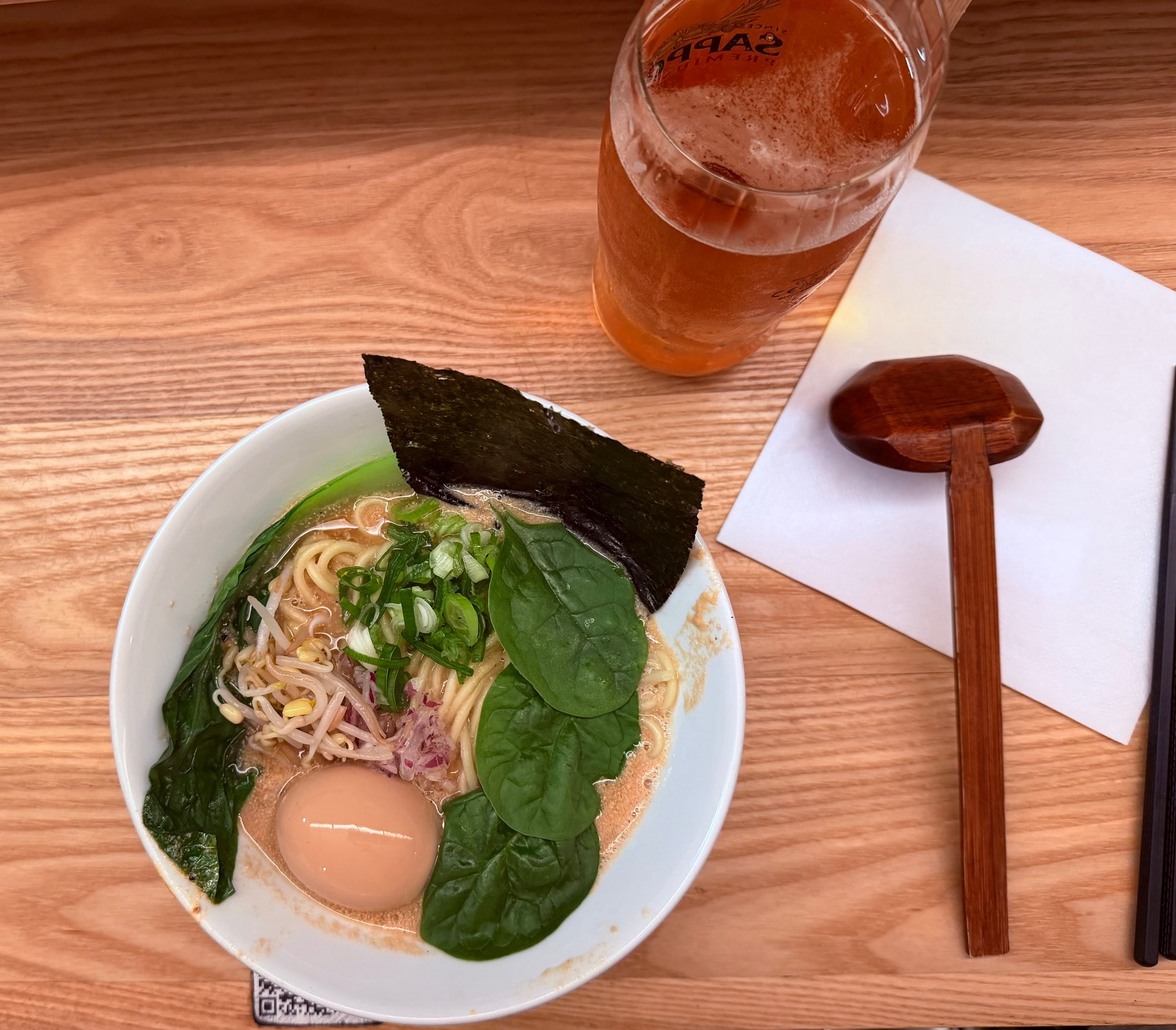
You give in your order over an app by scanning a code that links to your table or seat number. Ramen in Toripaitan, Karashibi, or Goma Miso style. Add a marinated egg, extra chashu chicken, nori, and a choice of oils. If you are especially hungry, add some appetizers: gyoza, edamame, tofu, kimchi, rice, or a tonkatsu (pork schnitzel) or torikatsu (chicken schnitzel). While you wait for your food, you sip on your Sapporo beer, watch the ramen chefs at work, chat with your companion, or simply soak in the cozy atmosphere.
There is a precision to it, an economy of motion. The noodles, made fresh every morning, lift and tangle and drop into the bowls. The chashu chicken, braised for hours until it barely holds its shape, nestles on top. The eggs, marinated overnight in soy and mirin, are sliced cleanly in half, the yolks just barely holding together. A spoonful of spiced minced beef lands in the karashibi bowls, glistening with chili oil. The broth, opaque and unrepentantly rich, is ladled over everything in one smooth motion.
And then comes the final touch: sheets of nori standing tall at the edge of the bowl, a sprinkle of scallions, mung bean sprouts, and red onions on top. Your order is up.
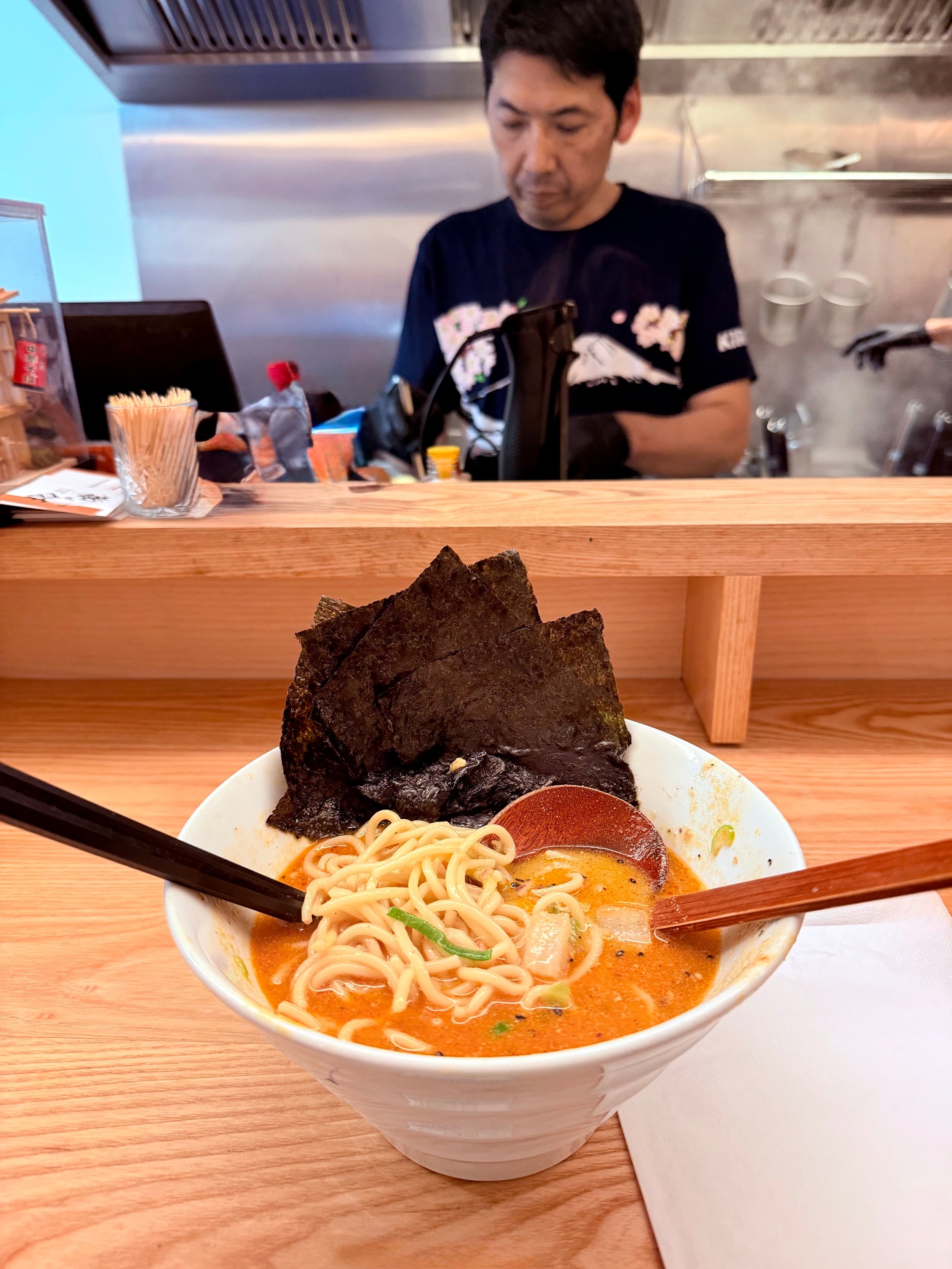
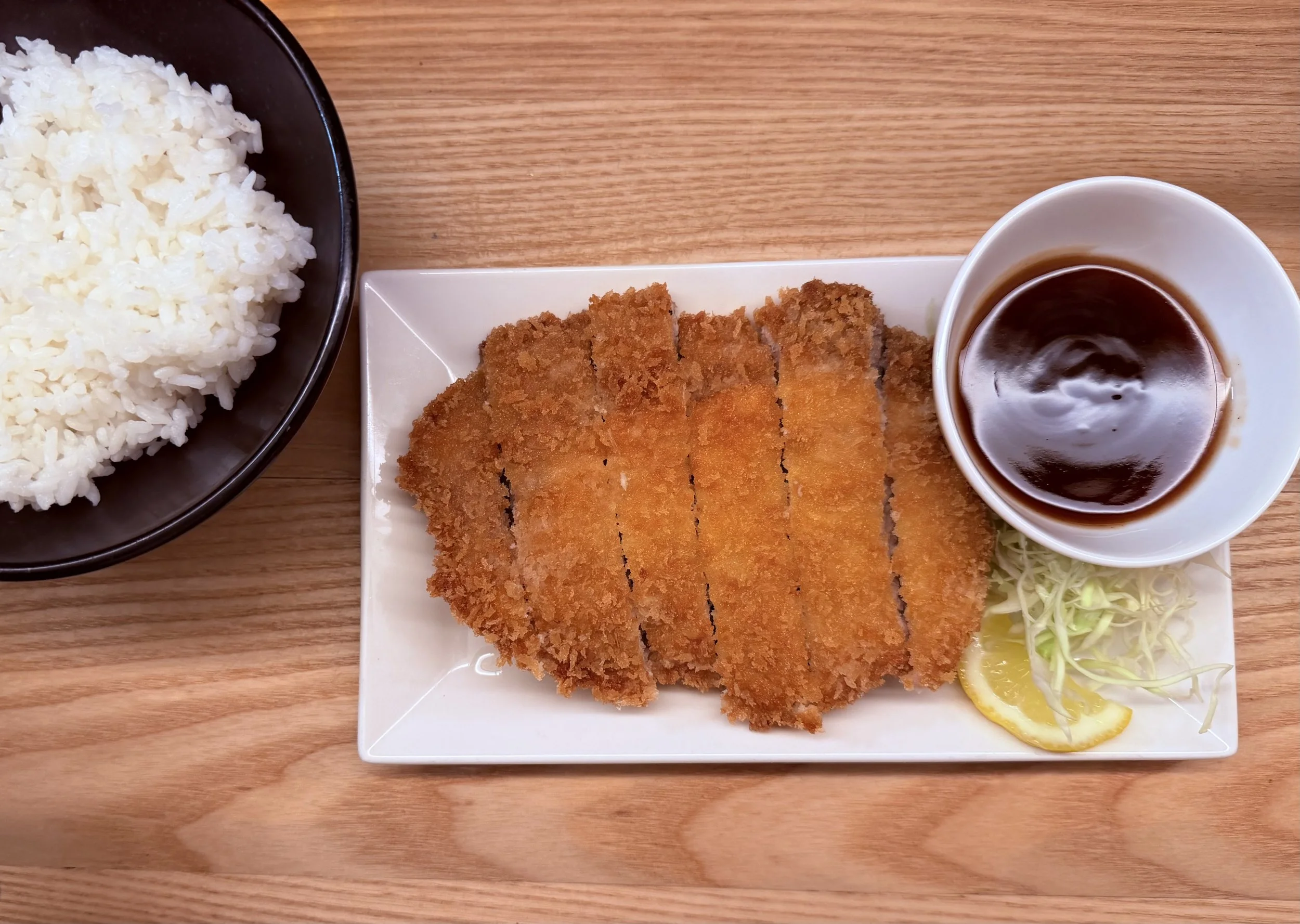
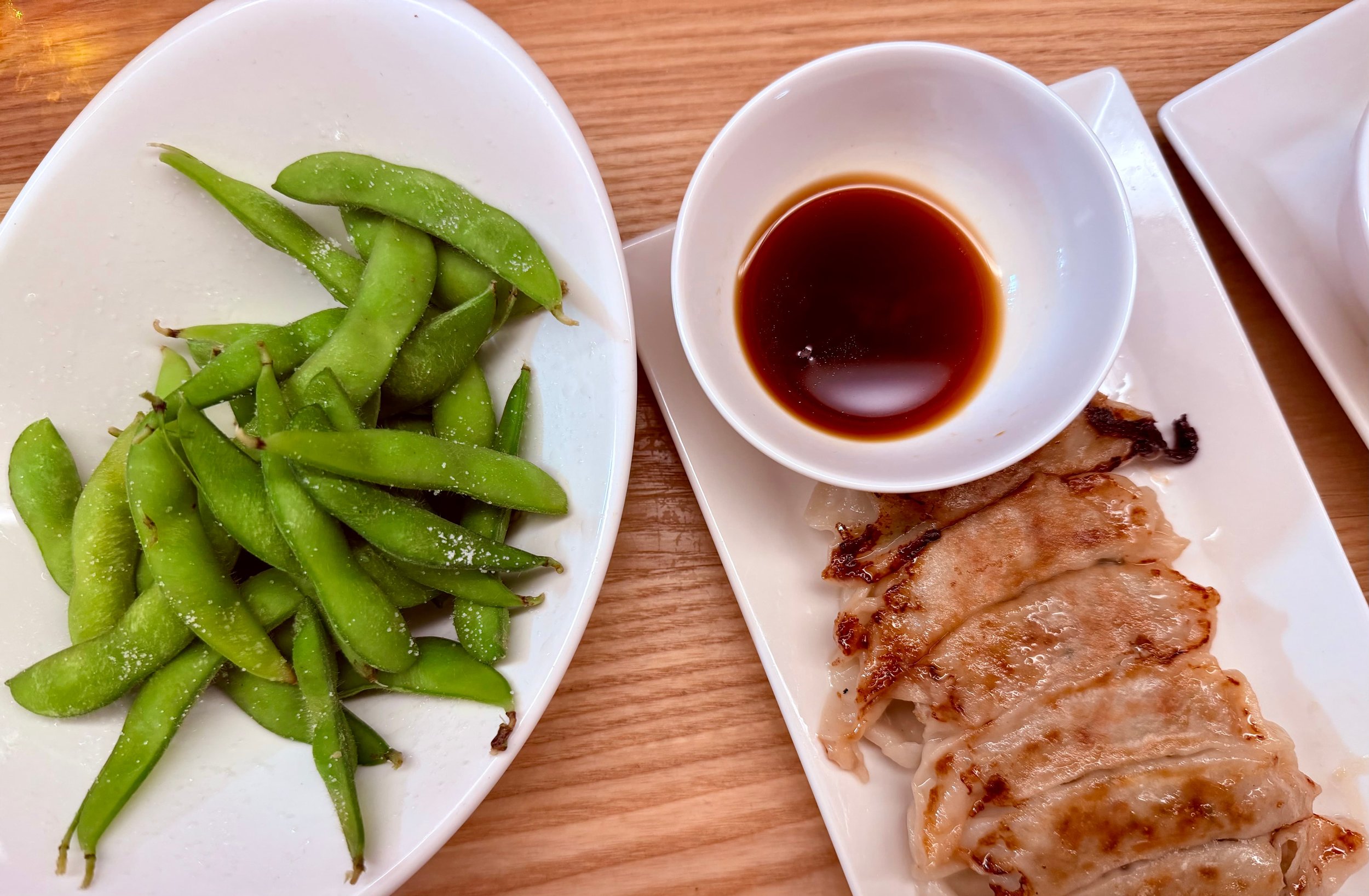
When the food is ready, a server brings the starters over, and the ramen chef reaches the bowls across the counter with a quick nod, a smile, and a friendly “Enjoy!” I sit shoulder to shoulder at the counter with my companion and the other guests in the small, steamy, warm room. The couple next to me, still shaking off the cold from the wait outside, leans over their bowls, chopsticks ready, soaking in the aroma of the broth.
I take a first sip of the broth with the wooden spoon. It is rich and thick, almost creamy, with a deep, savory flavor that comes from long hours of cooking, followed by the slow, tingling heat of the karashibi. The noodles are firm and springy, with just the right amount of chew. I break into the egg, and its molten yolk spills into the broth and enriches it further. I try to catch a few noodles and some of the savory minced beef with my chopsticks. At first, most of it slips back into the bowl, but with every bite I get a little better at it. I glance at the other guests to compare my technique with theirs, and sometimes I give up and slurp the noodles and broth together from the big wooden spoon instead. It is a cultural journey, in every definition of the words.
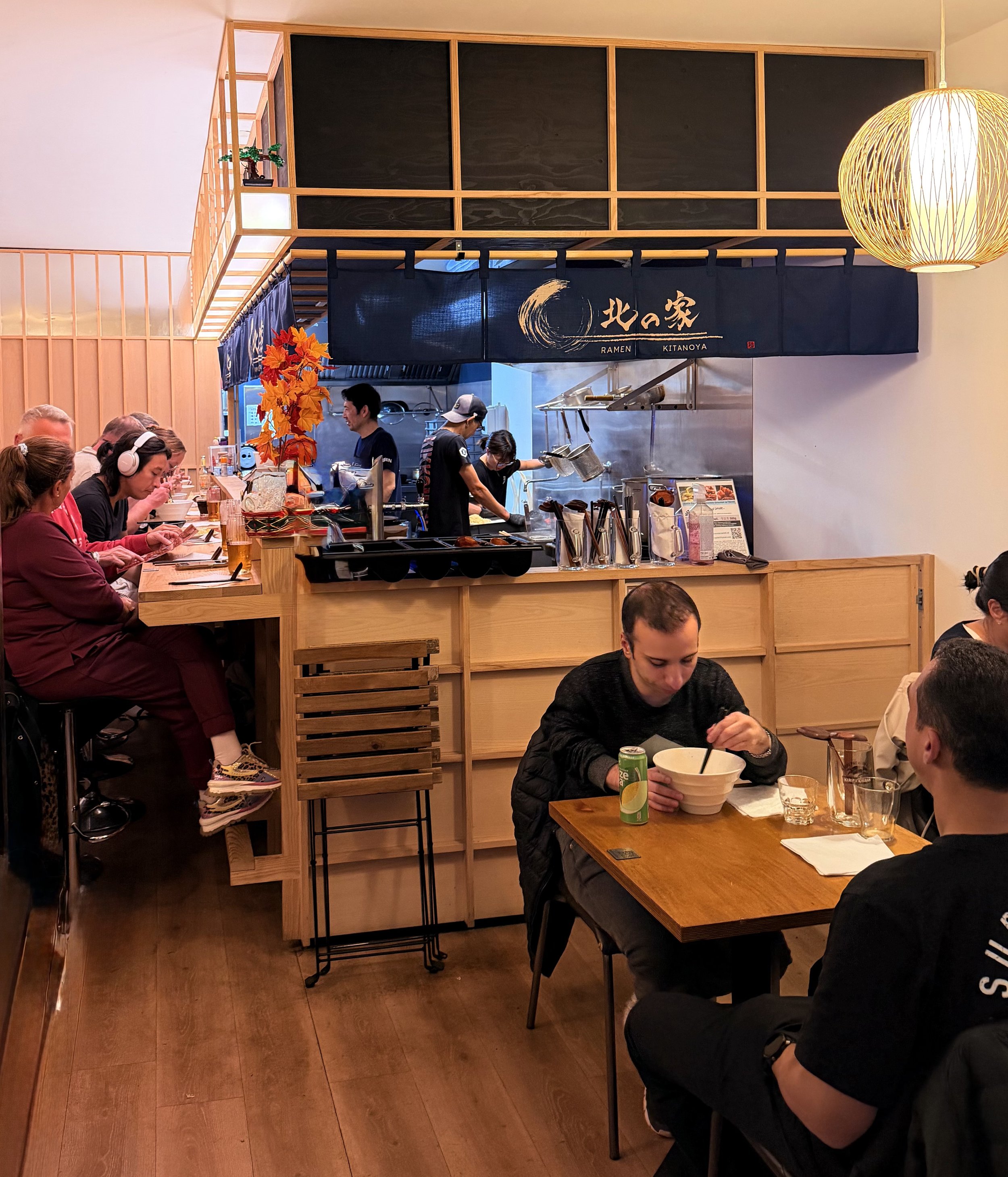
This is what Kitanoya does: it brings people together over a bowl of really good ramen. It is not fussy or precious about it. There is no pretension here, no sense that you need to know the right things or order the right way. It is just noodles and broth and other traditional Japanese dishes, the feeling of being welcomed, of being part of the story.
I finish my bowl and take the last sips of my beer, slow and satisfied. I thank the ramen chef with folded hands and a small bow; he smiles and returns the gesture, humble and grateful to have served me. Outside, The Hague is dark, rainy, and cold, and the alley is still full of people waiting for a bowl of warmth. But inside Kitanoya, the steam still rises, the ramen chefs still move with purpose, and the stories keep unfolding, one bowl at a time.
Itadakimasu. Bon appétit.