The Hague, The Netherlands.
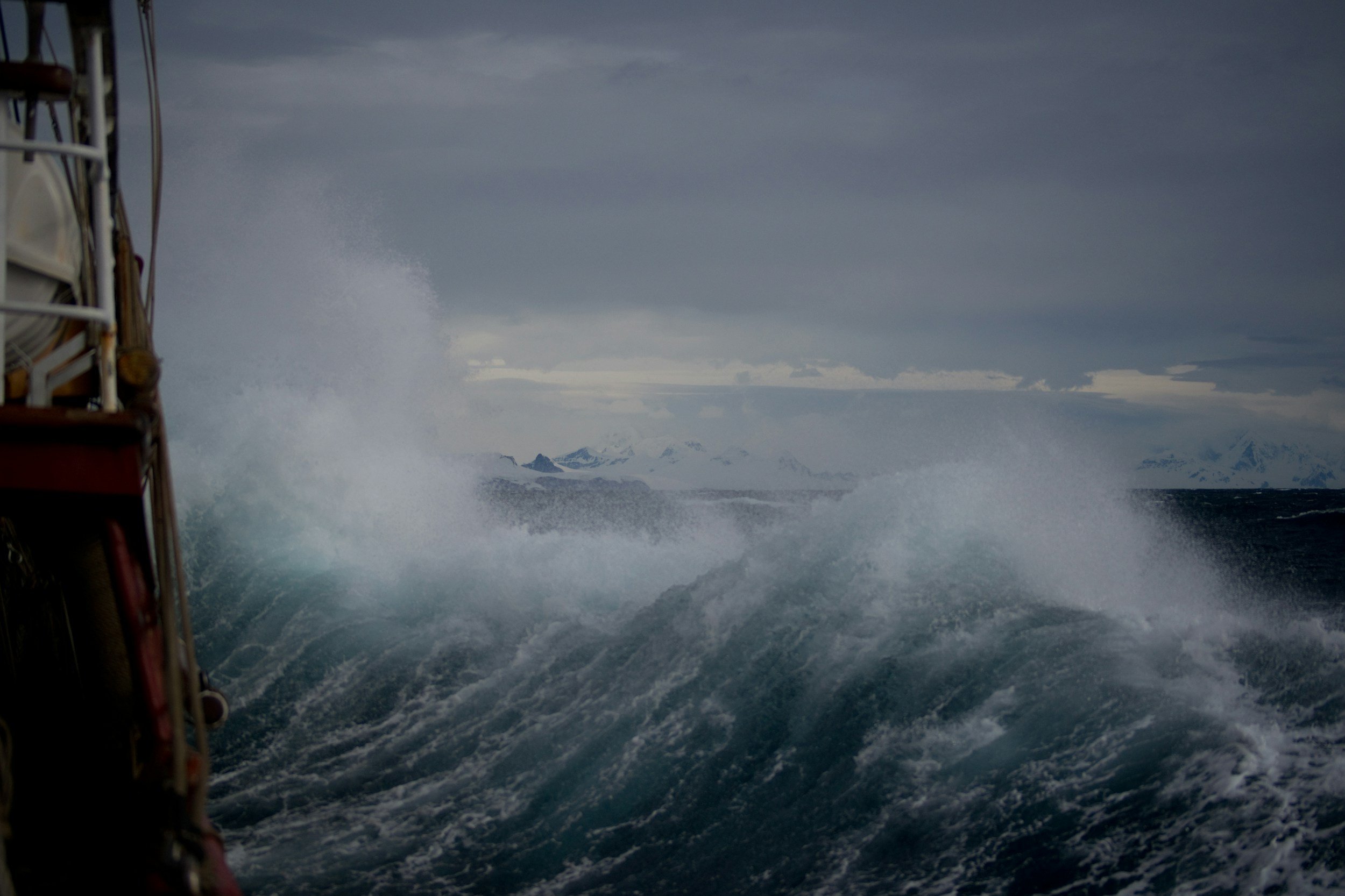
There is something refreshing about a powerful autumn storm rolling in from the sea. Clouds race each other across the blue and gray sky. The rain arrives first, in long waves that whip along the shore and sweep sideways through the streets. Trees bend, and flagpoles and ship masts join in with a concert of clanging and humming sounds. Umbrellas do not stand a chance; within seconds they flip inside out, leaving their owners bewildered and embarrassed by the mishap. People fight their way through the wind tunnels between the buildings, with a grimace and an amused grin at the same time.
Everything that is not tied down joins the show. Bicycles that were not parked properly fall over and pile up on the sidewalk, and seagulls hang in the air above the rooftops with their wings spread, gliding calmly until a gust catches them and flings them hard to the side. Caps and hats are held down with one hand, and scarves wrap around faces as everyone struggles toward their next destination. It is hardly a relaxed place to be, yet for some reason the city gets a little friendlier in these moments. Maybe the saying is true: a trouble shared is a trouble halved.
Small signs show up first, a restless sky or a sudden gust, and the anticipation grows. The beautiful part is that the colder, darker days also invite us to slow down. Some of us settle in by the fireplace with a good book or a series in candlelight and soft light. Those who cannot resist and head outside get a great workout for their core muscles, just trying to stay upright. It is this mix of cozy and wild that makes this season so special.
These days, weather apps warn us long before a storm arrives, with minute by minute updates on temperature, wind speed, wave height, and exactly how much rain is on the way. Still, I have learned that no two storms are alike. Each one has its own mood and brings its own mix of raw power. What fascinates me most is how they build. The strongest ones gather their power over the open Atlantic Ocean before they reach Europe. Some slip in through the English Channel; others come down from the north and drag along the coast before they hit land. In the Netherlands, you can see the effects everywhere, because the land is so flat and seemingly unprotected. In reality, the coast is guarded by some of the best flood defenses in the world, and the canals (grachten) in the cities, the waterways, and the polders throughout the country are part of a carefully designed system that prevents and manages catastrophic floods.
In this protected but never entirely safe environment, a storm becomes a spectacle, part of life by the sea, an event we almost look forward to. It shapes the character of The Hague and the towns and villages around it. The pier gates close, sand whips across the beach, and surfers of every kind dive boldly into the foaming sea with their gear before the storm reaches its full force. When a storm moves in through the English Channel, the waves can be at their best, long and clean, with a beautiful roll out, as long as the wind allows it and does not whip them down with a forceful onshore gust that leaves a choppy, angry sea.
Like a magnet, the beach draws vacationers and locals alike, everyone wanting a front row seat. They breathe in the fresh air as if they were hooked on it, and they lean into the wind with ease, almost without tensing their bodies, up to a certain strength of gust. In the Netherlands, we call this kind of beach walk Uitwaaien, letting the wind and fresh air clear your mind. This is the extreme version of it, with a free face scrub of sand and the occasional mouthful of it.
It is almost absurd to still see people hop on their bicycles as if it were just a light breeze that will pass soon. Nothing beats the holy Dutch bicycle; no storm and no bad weather can keep people from this trusted ride. Only when a strong gust knocks them sideways do some reconsider their pride and heroic courage, at least for the moment of shock and first pain.
And this is how the storm shows us something bigger. Mother Nature can shape our lives at any time. No matter how well we prepare, we are still a toy of her moods, and we should think carefully about how we treat our unique world. The answers to our worries about the future lie in protecting, preserving, and caring for our planet. Some still dream of settling on Mars or living on spaceships. These big ideas spark a lot of understandable excitement and spirit of exploration, but in this case they are mostly a way to delay the necessary change in our habits. They follow the motto “after me, the flood,” and would rather build an ark than give up a little luxury and make healthy changes in how we live.
Walking the beach in a strong gale, I learned that nobody wins a fight against the wind. The trees bend instead of breaking, the seagulls turn and let a gust carry them, and the beach walkers lean in, turn their backs to the worst gusts, and let the wind push them along the shore. That is the lesson of the storm: go with the wind, not against it, and save your strength for the battles worth fighting.
The Dutch know this lesson better than most. We cannot switch off the storm, and as the climate keeps changing, rising seas and heavier rain will ask more of us. But we can learn to live with it, the way this country has always lived with water: with dikes, dunes, waterways, pumps, and bicycles, with respect, preparation, and a sense of humor.
It always goes the same way: the bracing, the anticipation, the experience, and then the fresh realization of what lies beneath the surface of the sea. A huge amount of mussels, sea life, and debris gets tossed onto the shore, like a cleaning ritual for the ocean and for ourselves. Let the storm be a fresh start, a new way of looking at how we live in stormy times all around.
After the storm is before the storm.